
Why Most People Are Buying the Wrong Probiotic (And How to Fix That)
Picture this: you’ve spent $45 on a well-marketed probiotic, you’ve been taking it faithfully for six weeks, and you feel… exactly the same. No improvement in bloating, no noticeable change in digestion, no difference in energy or mood. You head to Reddit’s r/Supplements, and you’re not alone — dozens of threads echo the same frustration. The problem usually isn’t that probiotics don’t work. The problem is that the probiotic industry is flooded with products that look impressive on the label but fail at the most basic requirements: viable strains, adequate doses, and survival through the digestive system.
The global probiotic market has expanded significantly in recent years, and with that growth has come a surge of products that lean heavily on marketing language — “billion CFU,” “multi-strain formula,” “clinically proven” — without the substance to back it up. A high CFU count on the label means nothing if those bacteria are dead before you open the bottle. And a long list of strain names sounds sophisticated, but if none of those strains have been studied for your specific health goal, you’re essentially paying for impressive packaging.
This guide cuts through the noise. We’ve evaluated the major probiotic brands available on iHerb and Amazon for 2026, assessed the clinical evidence behind the most common strains, and built out a practical framework so you can match a probiotic to your actual health needs — not just the marketing copy on the front of the bottle. Whether you’re dealing with antibiotic-related disruption, chronic bloating, immune support, or you’re just looking for solid daily maintenance, there’s a meaningful difference between the right product and an expensive placebo.
How to Actually Evaluate a Probiotic: The Four Pillars
Before you look at any specific brand, you need a framework for evaluation. The probiotic market is large enough that skipping this step almost guarantees you’ll end up with something mediocre. There are four core pillars worth understanding before you spend a dollar: CFU count and what it actually means, strain specificity, delivery and shelf stability, and third-party testing. Each one can make or break a product’s real-world effectiveness.
Pillar 1: CFU Count — More Is Not Always Better
CFU stands for Colony Forming Units, and it’s the standard measure of how many viable bacteria are in a serving. You’ll see products ranging from 1 billion to 500 billion CFU, and it’s tempting to assume that more is better. The reality is more nuanced. For general gut health maintenance, research has generally been conducted in the range of 1–10 billion CFU per day for many Lactobacillus and Bifidobacterium strains. Some clinical applications — such as managing certain gastrointestinal conditions or recovering from antibiotic use — have used higher doses, but the relationship between dose and outcome isn’t always linear. What matters more than the total CFU count is whether those CFUs are from strains that have actually been studied at those doses, and whether those bacteria survive long enough to reach the colon.
One important label nuance: look for products that guarantee CFU count “at time of expiry” rather than “at time of manufacture.” Bacterial counts naturally decline during storage, so a product with 50 billion CFU at manufacture could have significantly lower viable counts by the time it reaches your gut — the exact degree of loss varies considerably depending on the strain, packaging, and storage conditions. Products that guarantee viable counts at expiry have been formulated with that degradation in mind and are more honest about what you’re actually getting.
Pillar 2: Strain Specificity — Names Matter More Than Numbers
This is the most overlooked element in probiotic shopping. The full scientific name of a probiotic strain includes genus, species, and strain designation — for example, Lactobacillus rhamnosus GG. That “GG” at the end isn’t decorative; it identifies the specific strain that has been studied in clinical trials. A different manufacturer’s Lactobacillus rhamnosus without the GG designation is a different organism with potentially different (and less researched) properties. When you’re evaluating a product, the label should list full strain designations, not just genus and species names. If it only says “Lactobacillus acidophilus” with no strain number, you can’t trace it to any particular clinical trial — and you have no way of knowing whether it behaves like the strains that showed benefits in research.
Key strains to look for based on specific health goals are covered in detail in the strain guide section below. The short version: match the strain to your goal. Lactobacillus rhamnosus GG has been studied extensively for diarrhea and antibiotic recovery. Bifidobacterium longum has been used in research on gut-brain axis effects and IBS. Saccharomyces boulardii is a yeast-based probiotic with a strong research record for antibiotic-associated diarrhea. These distinctions matter.
Pillar 3: Delivery Format and Shelf Stability
Probiotics are living organisms, and they’re surprisingly fragile. Heat, moisture, and stomach acid are their primary enemies. A capsule sitting in a hot Amazon warehouse for two weeks before delivery has had a very different life than one kept refrigerated from production to purchase. This is why delivery format and storage requirements are serious quality indicators, not just logistical details.
Enteric-coated capsules are designed to survive stomach acid and release their contents in the intestine. This is genuinely useful for acid-sensitive strains. However, some strains — notably Lactobacillus rhamnosus GG and Saccharomyces boulardii — have demonstrated reasonable acid tolerance on their own, and research on them was often conducted in standard capsule form. Shelf-stable (non-refrigerated) formulas typically use strains that are more resilient at room temperature, often combined with freeze-drying technology and moisture-resistant packaging. Refrigerated products can offer excellent viability but introduce a cold chain dependency — meaning any gap in refrigeration during shipping or storage can compromise potency. Neither format is inherently superior; the key is whether the product has been validated for stability in the form and conditions you’ll actually be using it.
Pillar 4: Third-Party Testing and Label Transparency
The supplement industry is not tightly regulated in the US for pre-market efficacy verification, which makes third-party testing an important quality signal. Certifications to look for include NSF International, USP, Informed Sport (if you’re an athlete), and ConsumerLab approval. These organizations test actual product samples to verify that the label claims match what’s in the bottle. For probiotics specifically, ConsumerLab has published multiple rounds of testing that found meaningful discrepancies between labeled CFU counts and actual viable counts in some commercial products — this reinforces why certification matters. Labdoor also tests probiotics and publishes ratings, and it’s worth checking before buying a product you’re unfamiliar with. For a broader overview of how to read supplement labels and what third-party certifications mean in practice, see our Complete Buying Guide to Choosing the Best Vitamin Brands in 2026.
Understanding the Key Probiotic Strains: Clinical Evidence vs. Marketing Claims
The strain landscape in commercial probiotics is vast, but the genuine clinical evidence is concentrated in a relatively small number of well-studied organisms. Here’s what the research actually supports — and where the marketing tends to outpace the science.
Lactobacillus rhamnosus GG
Lactobacillus rhamnosus GG (LGG) is one of the most extensively studied probiotic strains in human clinical trials, with a particularly strong evidence base in pediatric and adult diarrhea prevention, antibiotic-associated diarrhea, and general gut barrier support. Research published in journals including The Lancet and multiple systematic reviews in The Cochrane Database has examined LGG in the context of infectious diarrhea and antibiotic recovery. The current weight of evidence generally supports its use for reducing the duration and severity of certain types of diarrhea, though the effect size varies across populations. It is also the probiotic strain with arguably the most human safety data across age groups, including use in infants and immunocompromised individuals (though the latter group should always consult a physician). Products containing true LGG will list “GG” or the ATCC 53103 strain designation on the label.
Bifidobacterium longum and the Bifidobacterium Family
Bifidobacterium species are the dominant bacteria in the colons of healthy adults, and their populations tend to decline with age, antibiotic use, and poor diet. B. longum, B. infantis, and B. bifidum are commonly included in commercial formulas, and research has examined their potential roles in IBS symptom management, immune modulation, and — in some smaller trials — gut-brain axis effects including mood and anxiety-adjacent outcomes. A research group at University College Cork (the APC Microbiome Institute) has published work examining B. longum in the context of psychological stress markers, and while findings are preliminary and the field is still early, it has generated genuine scientific interest rather than just marketing excitement. For IBS, B. infantis 35624 (found in Align) has been studied in several randomized controlled trials examining bloating and abdominal discomfort, with generally positive but modest results.
Lactobacillus acidophilus
L. acidophilus is one of the most common strains in commercial probiotics and has been studied for vaginal health, lactose digestion support, and general gut maintenance. The evidence here is real but somewhat diffuse — many products contain L. acidophilus without specifying which strain, which makes it difficult to map marketing claims to specific clinical outcomes. When a specific strain designation like NCFM is listed, there is more directly applicable research to reference. For vaginal microbiome applications specifically, the evidence is more consistent than for general gut health, with several studies examining L. acidophilus in the context of bacterial vaginosis and yeast overgrowth prevention.
Saccharomyces boulardii
Saccharomyces boulardii (S. boulardii) occupies a unique position in the probiotic world: it’s a yeast, not a bacterium, which means it’s unaffected by antibiotics and can be taken simultaneously with antibiotic treatment without losing efficacy. This makes it particularly valuable during antibiotic courses. The evidence base for S. boulardii in antibiotic-associated diarrhea is among the strongest in probiotic research, with multiple meta-analyses and systematic reviews supporting a meaningful reduction in incidence when taken alongside antibiotics. It has also been studied in traveler’s diarrhea and in some inflammatory bowel conditions, though the evidence in IBD is more preliminary. The standard clinical dose used in research has generally been in the range of 250–500mg per day, which is equivalent to roughly 5–10 billion CFU depending on the product. Florastor is the most recognizable commercial product using this strain, but many generic versions exist at lower price points.
Strains With Promising But Preliminary Evidence
A number of other strains appear regularly in premium formulas — Lactobacillus plantarum, Lactobacillus helveticus, Bifidobacterium breve — and while the research on some is genuinely interesting, many findings come from small trials or animal models that haven’t yet been replicated in large human studies. Current evidence is mixed and more long-term human trials are needed before strong recommendations can be made. This doesn’t make them bad inclusions; it just means you shouldn’t pay a significant premium specifically for those strains based on current evidence alone.
Brand Comparison Table: Major Probiotics on iHerb and Amazon (2026)
The following comparison covers the most widely available and reviewed probiotic brands in the US market. Pricing reflects typical iHerb and Amazon listings at time of publication and may vary. Price-per-serving calculations are based on standard serving sizes and typical retail pack sizes.
| Brand / Product | CFU Count (at expiry) | Key Strains Listed | Strain Designation Provided? | Form | Refrigeration Required? | Third-Party Tested? | iHerb Price (approx.) | Amazon Price (approx.) | Price per Serving | Best For |
|---|---|---|---|---|---|---|---|---|---|---|
| Culturelle Digestive Daily (LGG) | 10 billion CFU | L. rhamnosus GG | Yes (GG / ATCC 53103) | Capsule | No | Yes (ConsumerLab verified) | ~$20–$24 / 30ct | ~$18–$22 / 30ct | ~$0.65–$0.75 | Antibiotic recovery, diarrhea prevention, everyday use |
| Align Probiotic (B. infantis 35624) | 1 billion CFU | B. infantis 35624 | Yes (35624 designation) | Capsule | No | Yes (ConsumerLab) | ~$28–$32 / 28ct | ~$26–$30 / 28ct | ~$0.95–$1.10 | IBS-related bloating and discomfort |
| Florastor Daily Probiotic (S. boulardii) | 5 billion CFU (250mg S. boulardii) | Saccharomyces boulardii lyo CNCM I-745 | Yes (CNCM I-745) | Capsule | No | Limited public third-party data | ~$30–$35 / 30ct | ~$28–$33 / 30ct | ~$0.95–$1.10 | During antibiotic use, traveler’s diarrhea |
| Garden of Life RAW Probiotics Ultimate Care | 100 billion CFU (at time of mfg; claims stability) | 34+ strains (multiple Lactobacillus, Bifidobacterium) | Partial (some strain codes listed) | Capsule | Yes (refrigerated) | NSF Certified for Sport | ~$42–$50 / 30ct | ~$40–$48 / 30ct | ~$1.40–$1.65 | Microbiome diversity support, post-illness recovery |
| Renew Life Ultimate Flora Extra Care 50 Billion | 50 billion CFU (guaranteed at expiry) | 12 strains including L. acidophilus, B. longum | Partial | Capsule (delayed release) | No (shelf stable) | Limited third-party data publicly available | ~$28–$34 / 30ct | ~$25–$32 / 30ct | ~$0.85–$1.10 | General gut health, bloating, moderate IBS |
| Jarrow Formulas Jarro-Dophilus EPS | 5 billion CFU (guaranteed at expiry) | 8 strains including L. rhamnosus R0011, B. longum BB536 | Yes (strain codes listed) | Veggie capsule (enteric) | No | Available on iHerb with COA | ~$14–$18 / 30ct | ~$13–$17 / 30ct | ~$0.45–$0.58 | Budget-conscious everyday use, travel |
| NOW Foods Probiotic-10 25 Billion | 25 billion CFU | 10 strains including L. acidophilus, B. lactis | Partial | Veggie capsule | No | GMP certified; NOW has internal quality testing | ~$16–$20 / 50ct | ~$15–$19 / 50ct | ~$0.30–$0.40 | Value-focused general gut support |
| Seed DS-01 Daily Synbiotic | 53.6 billion AFU (Active Fluorescent Units) | 24 strains (proprietary blend, Lactobacillus and Bifidobacterium) | Yes (full strain designations published) | Nested capsule (acid-resistant outer capsule) | No | 3rd-party tested; Certified B Corp | Not on iHerb (direct only) | Not typically on Amazon | ~$1.65–$1.85 (direct subscription) | Comprehensive gut + skin + systemic support; research-focused buyers |
Prices are approximate and subject to change. iHerb and Amazon pricing fluctuates with promotions; always verify current pricing before purchasing. “At time of manufacture” vs. “at expiry” guarantees are noted where known; always confirm directly with product labeling.
Use Cases: Matching a Probiotic to Your Actual Health Goal

One of the most common mistakes probiotic buyers make is treating the category as monolithic — as if any probiotic will do the same job as any other. In reality, choosing a probiotic should involve the same kind of specificity you’d apply to choosing a targeted supplement for any other health goal. Here are four detailed profiles that cover the most common real-world use cases.
Use Case 1: The Antibiotic User — Recovery and Prevention
If you’ve just finished or are currently taking a course of antibiotics, this is arguably the most evidence-supported scenario for probiotic supplementation. Antibiotics are notoriously non-selective — they disrupt not just the pathogenic bacteria you’re trying to eliminate but also the commensal bacteria that make up a healthy gut microbiome. The result can be antibiotic-associated diarrhea, dysbiosis, and in more serious cases, opportunistic infections like Clostridioides difficile.
For antibiotic recovery, the two strains with the strongest research backing are Lactobacillus rhamnosus GG and Saccharomyces boulardii. Because S. boulardii is a yeast rather than a bacterium, it is not killed by antibacterial drugs and can be taken at the same time as your antibiotic course. LGG should ideally be taken a few hours apart from the antibiotic to minimize any potential interaction. A commonly used approach is to start both during the antibiotic course and continue for at least two to four weeks afterward. Products: Culturelle (for LGG) and Florastor (for S. boulardii) are the most widely available commercial options with verified strain designations. Typical doses used in research for this purpose have been in the range of 10 billion CFU for LGG and 250–500mg for S. boulardii daily, though individual clinical protocols vary.
Use Case 2: The IBS Sufferer — Managing Bloating and Irregular Transit
Irritable bowel syndrome affects a significant portion of the population, and it’s one of the conditions where probiotic research is most active — though the results are nuanced. Not all IBS presentations respond the same way to probiotics, and strain choice matters considerably. The strain with the most specific IBS-focused clinical trial data is Bifidobacterium infantis 35624, which is the proprietary strain in Align. Multiple randomized controlled trials have examined this strain in IBS patients with particular focus on bloating and abdominal discomfort, and the results have been generally positive, though effect sizes have been modest.
For IBS-D (diarrhea-predominant IBS), the combination of LGG and S. boulardii may offer complementary support. For IBS-C (constipation-predominant), some research has examined multi-strain formulas containing Bifidobacterium species, though the evidence is less definitive. Timing-wise, with meals is generally recommended for both tolerability and potentially improved survival of bacteria through the stomach. If bloating is a concern, starting at a lower dose and gradually increasing over one to two weeks can help minimize initial gas and discomfort that sometimes accompanies probiotic initiation. Pairing with a soluble prebiotic fiber (psyllium husk, inulin at low doses, or partially hydrolyzed guar gum) may support transit time, though those with FODMAP sensitivity should approach inulin-based prebiotics cautiously as they can worsen bloating in some people.
Use Case 3: The Frequent Traveler — Preventing Traveler’s Diarrhea
Traveler’s diarrhea is one of the more unpleasant disruptions to any international trip, and it’s an area where probiotic evidence is reasonably solid, particularly for Saccharomyces boulardii and Lactobacillus rhamnosus GG. Research suggests that starting supplementation a few days before departure and continuing throughout the trip may reduce the risk and severity of traveler’s diarrhea, though individual results vary and no probiotic should replace food safety precautions.
For travel use, shelf stability is a critical practical consideration — you need a product that doesn’t require refrigeration and can survive in a checked bag or carry-on across temperature variations. Both Culturelle (LGG) and Florastor (S. boulardii) are shelf-stable formulations that travel well. Jarrow Formulas’ shelf-stable enteric capsules are also a solid budget-friendly option. Typical recommendation is one to two capsules per day while traveling, with food. Stack compatibility: if you’re also taking an antimalarial medication (a common travel scenario), discuss probiotic timing with your doctor, as some interactions are possible, particularly with antibacterial prophylactics.
Use Case 4: The General Health Maintainer — Building Long-Term Gut Resilience
This is by far the most common probiotic buyer — someone without a specific GI condition who simply wants to support their gut microbiome as part of a general health regimen. The honest answer here is that the evidence for long-term microbiome modification from probiotic supplementation alone is more limited than supplement marketing suggests. Research generally indicates that many supplemented bacteria are transient colonizers — they support gut function while present but don’t permanently take up residence. This doesn’t make them useless; a transient probiotic can still support digestion, immune signaling, and gut barrier integrity during its time in transit. But it does mean that consistency matters: a probiotic taken daily is more meaningful than occasional use.
For general maintenance, a multi-strain formula with verified strain designations covering both Lactobacillus and Bifidobacterium species at a moderate dose (10–30 billion CFU) represents a reasonable approach. Products like Jarrow Formulas Jarro-Dophilus EPS or NOW Foods Probiotic-10 offer solid value at under $0.50 per serving. Pairing with a diet rich in fermentable fiber (vegetables, legumes, oats) is likely more impactful for long-term microbiome diversity than any supplement alone. For those interested in the intersection of gut health, mood, and systemic wellness, our Magnesium, Probiotics & Popular Supplements: What Does Science Actually Say Works? article covers the broader research landscape.
Prebiotic Pairing: Why What Feeds the Bacteria Matters as Much as the Bacteria Themselves
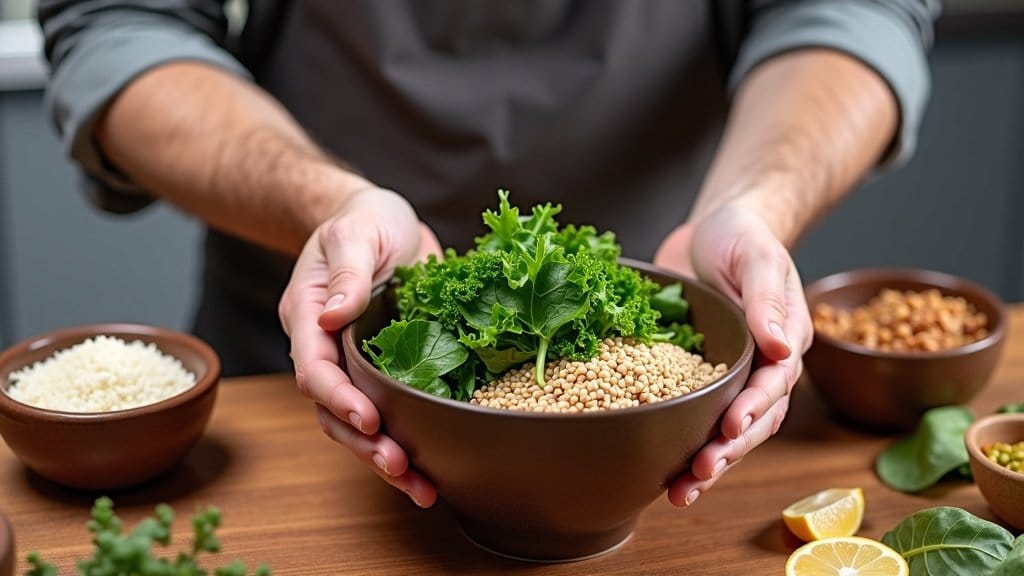
A probiotic without dietary support is a bit like planting seeds in concrete. The bacteria in your supplement — whether they’re colonizing long-term or functioning as transient visitors — need fermentable fiber to produce the short-chain fatty acids (SCFAs) that drive many of the gut health benefits attributed to a healthy microbiome. SCFAs like butyrate, propionate, and acetate play roles in gut barrier integrity, immune regulation, and even signaling that extends beyond the intestine. This is the foundation of the “synbiotic” concept: combining probiotics with prebiotics that support their activity.
The most studied prebiotic ingredients in commercial supplements include inulin, fructooligosaccharides (FOS), galactooligosaccharides (GOS), and partially hydrolyzed guar gum (PHGG). Each has a somewhat different fermentation profile and tolerability track record. Inulin and FOS are cheap and widely used, but they are also FODMAPs and can cause significant bloating and gas in sensitive individuals, particularly at doses above 5–8 grams per day. GOS, found in some premium formulas and in smaller amounts in certain legumes and dairy, tends to be better tolerated and has been studied specifically in combination with Bifidobacterium strains. PHGG has a gentler fermentation profile and is often better tolerated by IBS patients.
Products marketed as “synbiotics” — prebiotics and probiotics combined — include Seed’s DS-01 (which uses a prebiotic outer capsule containing Indian pomegranate) and various Garden of Life formulas that add FOS to their probiotic capsules. Whether the specific prebiotic amounts in these products are sufficient to drive meaningful SCFA production is a reasonable question, and the honest answer is that whole food sources of fiber will always provide more substrate than a capsule ever can. That said, if your diet is low in vegetables and legumes, a synbiotic formula may provide marginal support that a plain probiotic would not.
Storage, Format, and Getting the Most from Your Probiotic

Maximizing probiotic effectiveness goes beyond choosing the right product — it also involves how you store it, when you take it, and what you take it with. These details are often buried in the fine print of product instructions but have real implications for how many viable bacteria actually reach your lower intestine.
For refrigerated probiotics, the most important rule is unbroken cold chain. If a product arrives visibly warm or has been sitting in a hot mailbox, there’s no reliable way to know how much potency has been lost — the degree of viability loss depends on the specific strains, how long they were exposed to heat, and the temperature reached. If you’re buying refrigerated probiotics online, choosing vendors with climate-controlled shipping or buying from a local health food store with a dedicated refrigerator case is worth the extra effort. Shelf-stable probiotics offer more flexibility, but they should still be stored away from direct heat and moisture — a bathroom cabinet near a shower is not ideal, despite being a common storage choice.
Timing with meals is a nuanced topic. The conventional advice has been to take probiotics with a meal to buffer stomach acid and improve bacterial survival. Some research supports this approach, while other studies suggest that highly acid-tolerant strains or enteric-coated capsules may not require food co-administration. As a practical default, taking your probiotic with or shortly before a meal containing some fat is a reasonable approach that won’t hurt and may help for many strains.
Capsules remain the dominant delivery format for good reasons: they’re convenient, have known dosing, and the better ones offer delayed-release technology for improved delivery. Powders have the advantage of dose flexibility and are popular for pediatric use or for mixing into smoothies, but they offer less protection from moisture and degrade more quickly once opened. Gummies are the most convenient format but almost always sacrifice CFU counts and strain viability — the sugar and moisture environment is genuinely hostile to bacterial survival, and third-party testing has repeatedly found that gummy probiotics underperform their label claims more often than capsule forms do.
Value Assessment: When Do Premium Probiotics Actually Justify Their Cost?
Let’s do the math. At the budget end of the market, NOW Foods Probiotic-10 comes in around $0.30–$0.40 per serving. Culturelle sits around $0.65–$0.75. Align runs close to $1.00 per capsule. Seed charges roughly $1.65–$1.85 per day on subscription. Garden of Life RAW can hit $1.50–$1.65 per day. Is there a meaningful difference in outcomes that justifies a price premium of four to five times at the top end versus the budget options?
The honest answer is: it depends on what you’re buying the probiotic for. For the specific, well-studied use cases — antibiotic recovery with LGG (Culturelle) or S. boulardii (Florastor), or IBS management with B. infantis 35624 (Align) — you’re paying for a specific, clinically referenced strain. That is worth a moderate premium over a generic multi-strain formula, because you’re buying documented specificity, not just CFU volume. Culturelle at $0.70 per serving is a justified expense if you’re taking it during an antibiotic course; paying three times as much for a 34-strain formula from a different brand during the same scenario doesn’t add corresponding value.
Where premium products like Seed DS-01 command their higher price, the value proposition is different: full strain transparency (every strain is listed with its designation and associated research), a sophisticated delivery system, and a combination of studied strains targeting multiple body systems. If you’re a research-oriented buyer who wants maximum strain specificity and delivery confidence, that’s a reasonable value exchange. If your goal is simply basic gut maintenance on a budget, NOW Foods or Jarrow Formulas represents genuinely good value — the latter in particular provides full strain designations at a fraction of the cost of premium brands.
The worst value in the probiotic space tends to be the high-CFU, low-specificity products: 100 billion CFU blends with 15+ strains where most strains are listed only by genus and species, no third-party testing is available, and the price is still $1.20+ per serving. You’re paying for an impressive-sounding label, not clinically actionable ingredients. For more on evaluating supplement brands by quality and transparency criteria, see our Top 52 Supplement Brands Ranked 2026.
Frequently Asked Questions
How many CFUs do I actually need in a probiotic supplement?
This question doesn’t have a one-size-fits-all answer, and the probiotic industry has done a disservice by implying that higher CFU counts are always better. Most of the clinical research on commonly studied strains — particularly Lactobacillus rhamnosus GG and Bifidobacterium infantis 35624 — has used doses in the range of 1–10 billion CFU per day. These are the doses at which benefits were demonstrated in randomized controlled trials, and going tenfold higher doesn’t automatically translate to tenfold better outcomes. The relationship between dose and effect varies significantly by strain, by the health outcome being targeted, and by the individual’s existing microbiome composition.
That said, there are contexts where higher CFU counts may be appropriate — for example, some clinical protocols for antibiotic-associated diarrhea have used higher doses, and some practitioners recommend temporarily higher doses when trying to re-establish microbial populations after a severe disruption. But for everyday general gut support, products in the 5–25 billion CFU range that guarantee those counts at expiry are more meaningful than a 100 billion CFU product that guarantees counts only at manufacture. The expiry guarantee is what tells you what you’re actually getting when you swallow the capsule, not the manufacturing date figure.
Does it matter whether my probiotic requires refrigeration?
Refrigeration is a quality signal, not an absolute requirement, and the answer depends on the specific strains in the product. Certain strains are genuinely more stable when refrigerated — particularly some Lactobacillus and Bifidobacterium species that were historically derived from dairy fermentation contexts and are more vulnerable to temperature fluctuations. For these strains, refrigeration throughout the supply chain preserves viability in a meaningful way. The challenge with refrigerated probiotics bought online is that you often can’t verify whether cold chain was maintained from the warehouse to your door.
Shelf-stable probiotics, when properly formulated, use freeze-drying and nitrogen-flushed packaging to maintain viability at room temperature. Several well-studied strains — including Lactobacillus rhamnosus GG as used in Culturelle — have been validated for stability at room temperature through expiry. Saccharomyces boulardii is a yeast and naturally more stable than most bacterial strains under ambient conditions. The most important thing to look for is whether the product guarantees CFU at expiry (not just at manufacture) and what storage conditions that guarantee is based on. Storing any probiotic in a cool, dry location away from direct sunlight and humidity is universally recommended regardless of whether refrigeration is formally required.
Can I take a probiotic and antibiotic at the same time?
Yes, with some important nuance. The concern is that antibiotics, by design, kill bacteria — and this could theoretically include your probiotic bacteria. This concern is most relevant for bacterial probiotics like Lactobacillus and Bifidobacterium species. To minimize the theoretical interference, the general recommendation is to take bacterial probiotics at least two hours before or two hours after your antibiotic dose, creating separation between the antibiotic’s peak activity in the gut and the arrival of your probiotic.
Saccharomyces boulardii is the major exception here: because it’s a yeast, it is not susceptible to antibacterial drugs and can be taken at the same time as your antibiotic without concern about direct killing. This makes S. boulardii particularly valuable during antibiotic courses, and it’s the primary reason healthcare providers and pharmacists often specifically recommend Florastor by name for antibiotic-associated diarrhea prevention. Research suggests that beginning S. boulardii at the start of an antibiotic course (rather than waiting until after) may provide better protection against antibiotic-associated diarrhea. Always confirm timing with your pharmacist if you’re taking other medications, as individual drug interactions should always be assessed on a case-by-case basis.
How long does it take for a probiotic to start working?
This depends heavily on what outcome you’re expecting and which strain you’re taking. For acute applications like managing diarrhea during or after antibiotic use, some effects may be noticeable within a few days of consistent use. For chronic conditions like IBS, clinical trials have typically run for four to eight weeks, and that time frame is a realistic expectation for noticing meaningful symptom changes — if they’re going to occur at all.
For general gut health maintenance, the honest answer is that many people don’t notice a dramatic change, which doesn’t mean nothing is happening. Gut microbiome research suggests that probiotic supplementation can influence immune signaling, barrier function, and metabolic byproducts (like short-chain fatty acids) even when subjective symptoms don’t dramatically change. Individual variation in baseline microbiome composition means some people respond noticeably to a given strain and others don’t — and this is a real biological phenomenon, not just a marketing excuse. If you’ve taken a well-chosen probiotic at an appropriate dose for eight or more weeks and noticed no benefit relevant to your specific goal, it’s reasonable to reassess whether that particular strain-goal match is right for you, rather than continuing indefinitely out of habit.
Are there people who shouldn’t take probiotics?
Probiotics have an excellent general safety record in healthy adults, but there are specific populations for whom caution or medical supervision is warranted. Immunocompromised individuals — including those undergoing chemotherapy, organ transplant recipients on immunosuppressive therapy, people with advanced HIV, and those with certain autoimmune conditions on biological therapies — face a theoretically elevated risk of translocation, where probiotic organisms cross the gut barrier and enter the bloodstream. While such events are rare, they have been documented in case reports and case series, and most clinical guidelines recommend that this population consult a physician before using probiotics.
Premature infants represent another category where probiotic use should be medically supervised rather than self-directed, despite some research supporting probiotic use in this population for necrotizing enterocolitis prevention. For individuals with small intestinal bacterial overgrowth (SIBO), probiotics are a legitimately contested area — some evidence suggests that adding live bacteria can worsen symptoms in SIBO patients, and several practitioners who treat SIBO routinely recommend avoiding traditional probiotics during active treatment. If you have any serious underlying GI condition, an inflammatory bowel disease diagnosis, or a compromised immune status, a conversation with a gastroenterologist before starting a probiotic is genuinely worth the time.
What are the most common quality concerns with probiotic supplements?
The probiotic supplement category has some well-documented quality issues that differentiate it from many other supplement types. The primary concern is label accuracy on CFU counts: independent testing by organizations like ConsumerLab has found that some products deliver significantly less viable bacteria than their labels claim, while a smaller number deliver more. This is more common in products that guarantee CFU only at manufacture and have not invested in shelf-stability validation for their specific formulations.
Contamination is another concern, particularly for products manufactured in facilities that also handle allergens like dairy, gluten, or soy. This is especially relevant for consumers with food allergies or intolerances, since probiotic strains are commonly cultured on dairy media and traces may persist in the final product even in “non-dairy” labeled supplements. Checking for explicit third-party allergen testing or a certified allergen-free manufacturing claim is worth doing if this applies to you. Undisclosed strain sourcing — where a label claims a well-studied strain designation but the actual organism isn’t verified to be that strain — is also a concern that third-party testing helps address. Products certified by NSF, USP, or reviewed by ConsumerLab provide greater assurance on both potency and identity claims.
What’s the best probiotic available on iHerb for value?
For overall value on iHerb — balancing cost per serving, strain specificity, and quality assurance — Jarrow Formulas Jarro-Dophilus EPS consistently stands out. At approximately $0.45–$0.58 per serving (based on typical iHerb pricing for 30-count bottles), it offers eight strains with specific strain designations listed, including Lactobacillus rhamnosus R0011 and Bifidobacterium longum BB536, which are reasonably well-characterized strains with published research. The enteric-coated veggie capsule format provides some protection from stomach acid, and Jarrow as a brand has an acceptable quality history in independent testing. Certificates of Analysis are typically available on iHerb for Jarrow products, which adds a layer of transparency.
For a single-strain, specific-use pick at reasonable value, Culturelle (LGG) frequently runs promotions on iHerb that bring it closer to $0.55–$0.65 per serving, making it an excellent option for antibiotic recovery specifically. NOW Foods Probiotic-10 is the lowest-cost option with decent quality credentials (NOW has a strong GMP manufacturing reputation) and comes in at under $0.40 per serving on iHerb for the 50-count bottle, making it a solid choice for budget-conscious general maintenance. The tradeoff with NOW is partial strain designation transparency, which is worth noting if specific strain traceability matters to you.
Is it worth paying more for a synbiotic (probiotic + prebiotic combined) product?
The concept of synbiotics has genuine scientific rationale: providing prebiotics alongside probiotics gives the bacteria a substrate to ferment, which can support their activity and the production of beneficial short-chain fatty acids. Products like Seed DS-01 have built their entire brand proposition around this combination, using a nested capsule design where an outer prebiotic layer and an inner probiotic capsule deliver both components together. The approach is thoughtful and the strain transparency is exceptional by industry standards.
That said, the practical difference between a good synbiotic and a good probiotic taken alongside a fiber-rich meal may be smaller than the marketing suggests. The prebiotic amounts in most capsule-based synbiotic products are relatively modest compared to what you’d get from a half cup of lentils or a banana. If your diet is already high in fermentable fiber, the added prebiotic in a synbiotic capsule may provide marginal incremental benefit. Where synbiotics make more sense as a premium investment is for people with consistently low-fiber diets, those recovering from gut disruption where dietary fiber may be temporarily reduced, or research-driven buyers who specifically want the verified strain transparency and delivery design that products like Seed offer. For most everyday users on a budget, a solid probiotic combined with deliberate attention to dietary fiber intake will match or exceed the functional benefit of a synbiotic at a higher price point.
How does a probiotic interact with other supplements I’m already taking?
Probiotics have a generally clean interaction profile with most common supplements. There are no well-documented antagonistic interactions between probiotics and vitamins, minerals, or standard herbal supplements. Omega-3 fatty acids, magnesium, vitamin D, and collagen supplements — all popular daily additions for health-conscious adults — can be taken alongside probiotics without concern. For more on how these supplements work together, our Magnesium Supplements 2026: Dosage Timing Guide & Best Practices for Sleep, Muscle Recovery & Stress Relief and Best Omega-3 Fish Oil Supplements 2026: Brand Comparison, Purity Standards & Freshness Testing articles cover their respective evidence bases in detail.
The interaction categories worth being aware of are: antibiotics (covered above — timing separation is recommended for bacterial probiotics); antifungal medications (which could theoretically suppress Saccharomyces boulardii, since it’s a yeast); and immunosuppressant drugs (where the concern is less about a direct probiotic interaction and more about the overall risk of any live organism in an immunocompromised state). Iron supplements are worth noting as well — iron can influence gut microbial composition, and high-dose iron supplementation can alter the environment in which your probiotic bacteria are operating, though this doesn’t typically require any specific timing adjustment beyond the general recommendation to take probiotics with food. If you’re taking prescription medications and are uncertain, your pharmacist is the right first stop — they have access to drug interaction databases and can review your full medication list in a way that a supplement review article cannot.
My Verdict: How to Build Your Probiotic Stack in 2026
After going deep on the research, the brands, and the practical logistics, here’s the honest bottom line. Probiotics are one of the supplement categories where the evidence most clearly rewards specificity over hype. The people getting real value from probiotics are the ones who match a researched strain to a clear health goal — not the ones buying the highest CFU count they can find at the best price per billion.
If you want a no-nonsense daily probiotic for gut maintenance on a budget: Jarrow Formulas Jarro-Dophilus EPS or NOW Foods Probiotic-10 represent the best value. If you’re coming off antibiotics or traveling internationally and want evidence-backed protection against diarrhea: Culturelle (LGG) and Florastor (S. boulardii) are the benchmark products, and taking them together during and after an antibiotic course is a reasonable approach supported by research. If you have IBS and want the most strain-specific option available over the counter: Align (B. infantis 35624) has the most directly applicable clinical trial data for that condition. And if you want the most transparent, research-driven premium option without regard to cost: Seed DS-01 is the most scientifically serious product on the US market at present, though its premium price tag makes it hard to recommend universally.
Whatever you choose, remember that a probiotic supplement is a complement to a gut-supportive diet — not a substitute for one. The most reliable way to support microbiome diversity over the long term remains a diet high in varied vegetables, legumes, and fermented foods. A well-chosen probiotic can fill specific gaps and serve targeted clinical purposes, but it won’t override the foundation.
Last updated: 2026
Found this review helpful?
Subscribe to SuppFind.com for weekly supplement reviews, science breakdowns, and the best iHerb deals.
This article is for informational purposes only and does not constitute medical advice. Individual results may vary — consult a qualified healthcare professional before starting any supplement regimen. This post contains affiliate links (iHerb, Amazon); we may earn a small commission at no extra cost to you. All ratings and recommendations are based on independent research and ingredient analysis.