
That Fishy Aftertaste Is Telling You Something Important
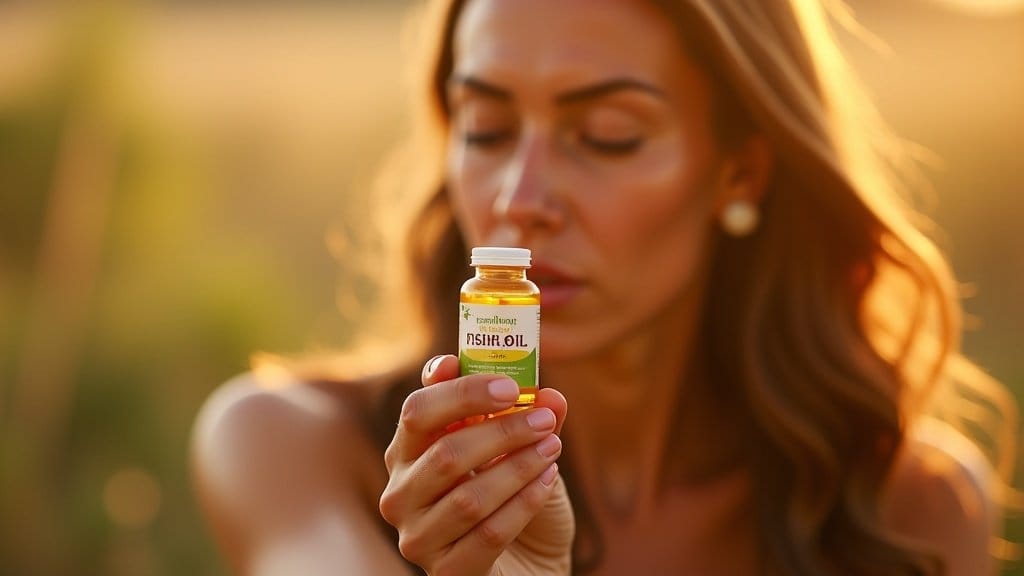
You crack open a bottle of fish oil, and before you’ve even swallowed the capsule, a wave of something rancid hits the back of your throat. Most people assume that’s just what fish oil smells like. It isn’t. A fresh, high-quality omega-3 supplement should smell mildly oceanic at worst — think clean coastal air, not last week’s bait bucket. That “fishy burp” you’ve been tolerating? It’s one of the most reliable signals that the oil inside your capsule has oxidized, meaning it’s gone partially rancid before it ever reached your gut.
This matters more than most supplement shoppers realize. The omega-3 market is enormous and largely unregulated at the quality level. Walk through any iHerb or Amazon search result for “fish oil” and you’ll find hundreds of products making near-identical EPA/DHA claims at wildly different price points. What separates a $12 bottle from a $45 bottle isn’t always marketing — sometimes it’s the difference between oil that’s been rigorously tested for oxidation markers and oil that was processed under suboptimal conditions, bottled months ago, and shipped across a hot warehouse. Consuming heavily oxidized fish oil may not just be a waste of money; some preliminary research suggests it could be counterproductive, though long-term human data in this area is still limited.
In this review, I’m going deep on four of the most-purchased fish oil brands in the US market — Nordic Naturals, Nature Made, Nutricost, and Carlson Labs — analyzing their EPA/DHA concentrations, molecular forms (rTG vs. ethyl ester), third-party certifications, freshness standards, and sustainability credentialing. I’ll also break down what IFOS, NSF, and USP certifications actually mean for you as a buyer, and which price tier gives you the best real-world value. Let’s get into it.
What You’re Actually Buying: EPA, DHA, and Why the Math Matters
The first number most people look at on a fish oil label is the total fish oil content per capsule — often 1,000mg or 1,200mg. But that headline number is largely meaningless for comparing products. What matters is the combined EPA (eicosapentaenoic acid) and DHA (docosahexaenoic acid) content per serving, expressed in milligrams. These are the two long-chain omega-3 fatty acids that the research community has focused on for cardiovascular, cognitive, and inflammatory health outcomes.
A standard 1,000mg fish oil softgel from a bargain brand might contain only 180mg EPA and 120mg DHA — a combined 300mg per capsule, meaning you’d need to take three or four capsules just to approach the doses studied in clinical research. Contrast that with a concentrated omega-3 product that delivers 650mg EPA and 450mg DHA from a single 1,200mg softgel. The math on cost-per-gram of active omega-3 often flips conventional wisdom about “budget” versus “premium” products: a cheaper-seeming bottle that requires four capsules to match a pricier product’s one-capsule dose frequently ends up costing more per gram of EPA+DHA.
Beyond concentration, the molecular form the omega-3 is delivered in affects how your body processes it. Natural fish oil exists primarily as triglycerides (TG form). During the concentration process, manufacturers typically convert this to ethyl esters (EE form) — a cheaper, more concentrated intermediate that is technically a pharmaceutical-grade form used in prescription omega-3 drugs, but which some research suggests has lower bioavailability than the re-esterified triglyceride (rTG) form. The rTG process re-converts ethyl esters back into a natural triglyceride structure, which preliminary studies suggest may improve absorption, particularly without a high-fat meal. However, it’s worth noting that bioavailability comparisons between forms are still a nuanced area, and the practical difference in well-fed individuals may be smaller than supplement marketing implies. For a deeper dive into how molecular form affects absorption of fat-soluble compounds, see our Scientific Research Breakdown: How Vitamin D3 Absorption Works & Why Form Matters in 2026 which covers parallel concepts.
The Four Forms of Omega-3: A Quick Primer
Understanding the processing behind your fish oil capsule helps decode why labels say different things and why prices vary so much.
- Natural Triglyceride (TG) form: Found in whole fish. Relatively low concentration of EPA/DHA (typically 20–30% of total oil). Well-tolerated and absorbed. Limited shelf stability.
- Ethyl Ester (EE) form: The most common form in mass-market supplements. Created by reacting fish oil with ethanol. Concentrations can reach 60–85% EPA/DHA. Generally less expensive to produce. Preliminary data suggests somewhat lower bioavailability compared to TG forms, especially in a fasted state.
- Re-esterified Triglyceride (rTG) form: EE oil converted back to a triglyceride structure. Higher concentrations than natural TG, with absorption characteristics more similar to natural fats. More expensive to produce — this cost gets passed to the consumer.
- Phospholipid form (krill oil): Not covered in this article, but worth knowing: krill delivers omega-3s bound to phospholipids, which may offer different absorption kinetics. We’re staying focused on fish oil here.
Third-Party Certifications Decoded: IFOS, NSF, and USP
This is arguably the most important section in this entire article, because the certification landscape is where most consumers get confused — and where some brands deliberately capitalize on that confusion with vague language like “tested for purity” or “quality assured,” which means essentially nothing without a named third-party verifier.
IFOS (International Fish Oil Standards) is the gold standard specifically for fish oil products. Run by Nutrasource, a Canadian research organization, IFOS tests for oxidation markers (peroxide value, anisidine value, and the TOTOX score — a composite oxidation index), PCB and dioxin contamination, heavy metals (mercury, lead, cadmium, arsenic), and EPA/DHA label accuracy. A five-star IFOS rating is the highest achievable and means a product passed all categories. Critically, IFOS publishes its results publicly at their website, so you can look up any batch. When a brand says “IFOS certified,” you can verify that claim independently — which is exactly what you should do.
NSF International certifies a broader range of supplements and tests for label accuracy, contaminants, and good manufacturing practices (GMP). Their NSF Certified for Sport program adds a layer specifically relevant to athletes: it screens for substances banned by major sports organizations. NSF certification doesn’t evaluate oxidation levels specifically, which is why IFOS remains more relevant to fish oil freshness, but NSF adds credibility around label accuracy and manufacturing integrity.
USP (United States Pharmacopeia) verification tests for product strength (label accuracy), purity, dissolution (will the capsule actually break down in your gut?), and good manufacturing practices. Like NSF, USP doesn’t specifically benchmark against IFOS oxidation thresholds. USP verification is meaningful — it tells you the label claim is real — but it doesn’t tell you whether your fish oil is fresh.
The takeaway: for fish oil specifically, IFOS certification or IFOS-equivalent testing is what matters most for quality assurance. NSF and USP add value around manufacturing integrity and label accuracy. A brand with all three is operating at a very high standard. For more context on how to evaluate third-party testing across supplement categories, our Complete Buying Guide to Choosing the Best Vitamin Brands in 2026: Third-Party Testing, Ingredient Quality & Transparency has a detailed breakdown.
Oxidation and TOTOX: The Freshness Number You Need to Know

The TOTOX (total oxidation) score is calculated from two measurements: peroxide value (PV), which measures primary oxidation products, and anisidine value (AV), which captures secondary oxidation compounds. The formula is TOTOX = (2 × PV) + AV. Lower is better. The IFOS standard for fish oil sets a maximum TOTOX of 26; the Global Organization for EPA and DHA Omega-3s (GOED) sets a similar voluntary industry benchmark. European Pharmacopoeia standards are stricter in some respects.
In practice, independent testing has repeatedly found that a significant portion of fish oil products on store shelves — particularly bargain-tier brands — have TOTOX scores well above these thresholds. Some samples tested by consumer groups have come in above 40 or even higher, indicating meaningful rancidity. This is not a theoretical concern: consuming oxidized lipids introduces free radicals into your system, which is the opposite of the antioxidant-friendly, inflammation-reducing goal most omega-3 users have in mind. Fresh, quality-controlled fish oil should ideally score well below the 26 TOTOX threshold — many premium brands target scores in the single digits or low teens.
Brand Deep Dive: Nordic Naturals, Nature Made, Nutricost, and Carlson Labs
Nordic Naturals Ultimate Omega
Nordic Naturals is widely considered the benchmark against which other fish oil brands are measured, and for good reason. Their Ultimate Omega product delivers 1,280mg of EPA+DHA per two-softgel serving (650mg EPA, 450mg DHA), sourced from wild-caught anchovies and sardines off the coast of Peru. The oil is delivered in the rTG form, which Nordic Naturals has consistently championed as their differentiating quality factor. Every product batch is tested by IFOS, with results publicly available — and Nordic Naturals’ IFOS scores are consistently high, often achieving five-star ratings with TOTOX scores that independent testers have noted are well below industry thresholds, though I’d encourage you to check the current batch results on the IFOS website directly rather than relying on any single source.
Sustainability credentialing here is robust. Nordic Naturals holds a Friend of the Sea certification and sources from fisheries with established Marine Stewardship Council (MSC)-aligned practices. These are verifiable certifications, not just marketing claims — an important distinction we’ll return to when evaluating other brands. The softgels have a mild lemon flavor and the oil genuinely does not smell rancid when cut open, which is your basic real-world freshness test.
The tradeoff is price. Nordic Naturals Ultimate Omega typically runs approximately $0.55–$0.75 per serving on iHerb depending on bottle size, and around $35–$45 for a 60-serving bottle on Amazon. For the quality level, this is defensible — but it’s roughly 3–5x the per-serving cost of budget options. Nordic also offers an Ultimate Omega 2X (more concentrated, fewer capsules for the same EPA/DHA), and a D3 version that stacks conveniently with vitamin D — a pairing we cover in depth in our Stacking Vitamin D3 + K2 with Omega-3 Fish Oil: The Complete Synergy Guide for 2026.
Nature Made Fish Oil
Nature Made is the mass-market leader and one of the most recognizable names in American supplement retail — it’s the brand your doctor is most likely to recommend by name simply because of brand familiarity. Nature Made holds USP verification on their fish oil products, which confirms label accuracy and manufacturing practices. Their standard Omega-3 from Fish Oil 1,200mg product provides 360mg of combined EPA+DHA per softgel (typically 216mg EPA, 144mg DHA), which means you need multiple capsules to approach research-relevant doses.
The form is ethyl ester — not rTG — which is standard for mass-market products at this price point. Nature Made does perform testing for purity and oxidation, but they do not publish IFOS batch-by-batch results publicly the way Nordic Naturals does. USP verification covers label accuracy and contaminant limits, but as noted above, USP doesn’t specifically benchmark TOTOX against IFOS thresholds. That doesn’t mean Nature Made oil is rancid — it simply means independent, publicly verifiable oxidation data isn’t as accessible for this brand.
Price is the clear advantage. Nature Made typically retails at $0.10–$0.18 per softgel on iHerb and Amazon, making it accessible for budget-conscious buyers. However, when you calculate cost per gram of EPA+DHA rather than cost per capsule, the gap versus premium brands narrows considerably. If you need 2,000mg of combined EPA+DHA daily (a dose range studied for cardiovascular support), you’d need roughly five to six Nature Made softgels versus two Nordic Naturals Ultimate Omega softgels — and the per-day cost comparison shifts accordingly.
Nutricost Omega-3 Fish Oil
Nutricost has built a loyal following among cost-conscious supplement buyers on Amazon and Reddit’s r/Supplements community, largely by offering competitive EPA/DHA concentrations at low prices. Their Omega-3 Fish Oil 2,400mg product provides a respectable 720mg EPA and 480mg DHA per two-capsule serving (1,200mg EPA+DHA combined), which is genuinely competitive at their price point — typically around $0.15–$0.22 per serving on Amazon. That math starts to look a lot better when you compare EPA/DHA per dollar rather than capsule count.
Nutricost is NSF certified for GMP (good manufacturing practices), which provides some manufacturing credibility. However, they do not hold IFOS certification, and publicly available batch-specific oxidation testing data is limited compared to Nordic Naturals. The form is ethyl ester. For a value-oriented buyer who wants a respectable EPA/DHA yield per dollar and is comfortable with EE form, Nutricost is a reasonable choice — but it’s worth noting that the absence of IFOS certification means freshness verification relies primarily on the company’s internal testing rather than independent published results.
The capsules themselves have a mild fish smell — not egregious, but more noticeable than Nordic Naturals. This is an admittedly subjective indicator, but it’s one worth paying attention to. Nutricost does include mixed tocopherols (vitamin E) as an antioxidant to slow oxidation, which is standard good practice in the industry. Fish oil capsules without any antioxidant addition are a minor red flag for quality-conscious buyers.
Carlson Labs The Very Finest Fish Oil
Carlson Labs is a family-owned brand that’s been in the fish oil business since the 1960s — one of the longer-standing names in this category. Their Very Finest Fish Oil liquid (and softgel) product is a frequently recommended option by practitioners and in supplement communities. The liquid form is particularly popular: a one-teaspoon serving of their lemon-flavored liquid delivers 1,600mg EPA and 1,000mg DHA — one of the highest combined totals available in a single serving from any mainstream brand, making it exceptionally cost-efficient per gram of EPA+DHA.
Carlson holds IFOS certification, which puts them in the top tier for verifiable freshness and purity documentation. Their fish oil is sourced from deep, cold Norwegian Sea waters (primarily Norwegian sardines and mackerel) and delivered in natural TG form for their liquid product — closer to the natural state of the oil than ethyl ester concentrates. The liquid format eliminates capsule-related dissolution concerns and delivers at approximately $0.30–$0.45 per serving depending on bottle size purchased on iHerb or Amazon, which for the EPA+DHA concentration is genuinely competitive with Nordic Naturals.
Sustainability: Carlson holds Friend of the Sea certification, which is a legitimate third-party sustainability audit. The Norwegian sourcing adds some credibility given Norway’s historically well-managed fisheries. The main practical downside of the liquid format is storage — once opened, it should be refrigerated and used within a relatively short window, and it’s obviously not as portable as softgels. Carlson also offers softgel versions (Super Omega-3 Gems) at lower EPA+DHA concentrations per capsule, though the liquid remains their standout value proposition.
Sustainability Sourcing: Real Certifications vs. Marketing Language
“Sustainably sourced” has become one of the most meaninglessly overused phrases in supplement marketing. Every brand has it on their label. What matters is whether there’s a named third-party certification body backing that claim — and whether that certification is current and verifiable.
The two most credible sustainability certifications in this space are Marine Stewardship Council (MSC) and Friend of the Sea (FOS). MSC is widely regarded as the more rigorous standard, evaluating fishery sustainability across multiple dimensions including stock health, ecosystem impact, and management practices. FOS covers similar ground and is common among supplement brands. Both involve third-party audits; neither is self-reported. A brand that says “sustainably sourced from wild-caught fish” without naming one of these organizations or an equivalent auditor is making a claim you have no independent way to verify.
Among our four brands: Nordic Naturals (Friend of the Sea, MSC-aligned sourcing for many products), Carlson Labs (Friend of the Sea), and Nature Made (they’ve cited sustainable sourcing in their marketing but their specific certification documentation has varied over time — worth verifying directly on their current label or website). Nutricost’s sustainability documentation is less prominent in their marketing materials, which doesn’t mean their sourcing is irresponsible, but it does mean the claim is harder to verify independently.
Brand Comparison Table
| Feature | Nordic Naturals Ultimate Omega | Nature Made Omega-3 | Nutricost Omega-3 | Carlson Labs Very Finest (Liquid) |
|---|---|---|---|---|
| EPA+DHA per serving | 1,280mg (2 softgels) | 360mg (1 softgel) | 1,200mg (2 softgels) | 2,600mg (1 tsp) |
| Molecular form | rTG (re-esterified triglyceride) | Ethyl ester (EE) | Ethyl ester (EE) | Natural triglyceride (TG) |
| IFOS certified | Yes — 5-star, batch results public | No | No | Yes — batch results available |
| Other certifications | Non-GMO Verified, Friend of the Sea | USP Verified | NSF GMP certified | Friend of the Sea, IFOS |
| Sustainability certification | Friend of the Sea, MSC-aligned | Claims sustainable sourcing (verify current docs) | Not prominently documented | Friend of the Sea, Norwegian sourcing |
| Antioxidant included | Yes (rosemary extract + tocopherols) | Yes (tocopherols) | Yes (mixed tocopherols) | Yes (vitamin E) |
| Price per serving (iHerb est.) | ~$0.60–$0.75 | ~$0.10–$0.15 | ~$0.15–$0.22 | ~$0.30–$0.45 |
| Cost per gram EPA+DHA | ~$0.47–$0.59/g | ~$0.28–$0.42/g | ~$0.13–$0.18/g | ~$0.12–$0.17/g |
| Best for | Quality-first buyers, those with GI sensitivity to EE | Beginners, very tight budget, doctor-familiar brand | Value-focused buyers, high-dose needs on a budget | High-dose users, liquid preference, best EPA+DHA value |
| Key caution | Higher price; verify batch IFOS results | Multiple capsules needed; no IFOS published data | No IFOS; limited oxidation data transparency | Liquid requires refrigeration; less portable |
Real-World Use Cases: Who Should Take What

The Endurance Athlete Looking for Anti-Inflammatory Support
If you’re running high weekly mileage, cycling competitively, or training for an endurance event, you’re generating significant inflammatory load. The research on omega-3s and exercise-induced inflammation is promising — multiple studies have explored EPA and DHA supplementation in athletic populations, with some suggesting potential benefits for muscle soreness recovery and inflammatory markers, though the evidence remains mixed and more large-scale trials are needed. Practically speaking, this profile typically benefits from higher daily EPA+DHA doses in the range that clinical studies have used, generally 2,000–4,000mg combined per day depending on body weight and training intensity.
For this use case, Carlson Labs liquid is hard to beat on value: one teaspoon delivers 2,600mg EPA+DHA, which means a single daily serving gets you into a meaningfully higher dose range without taking a handful of capsules. The IFOS certification matters here because athletes are often consuming larger quantities of a product, so quality assurance becomes proportionally more important. Timing: take with your largest meal of the day, as dietary fat significantly improves absorption of all omega-3 forms, particularly EE. For athletes who are also stacking vitamin D3 (which is common), our D3+K2+Omega-3 synergy guide covers the science behind combining these.
The Office Worker Managing Cardiovascular Risk Factors
Someone in their late 30s or 40s with borderline triglycerides, a sedentary desk job, and a family history of heart disease is exactly the demographic for whom omega-3 supplementation has the most established evidence base. Prescription-strength omega-3 drugs (like icosapentaenoic acid ethyl ester at 4g/day) have demonstrated meaningful triglyceride reduction in clinical trials. Over-the-counter supplements can’t make drug-level claims, but the cardiovascular case for omega-3 supplementation in this profile is supported by a substantial body of research.
For this use case, Nordic Naturals Ultimate Omega strikes a practical balance: the rTG form, IFOS certification, and two-softgel-per-day convenience make compliance easier, and the purity documentation provides reassurance for someone who’s taking this as a long-term cardiovascular strategy. If budget is a constraint, Carlson Labs liquid is worth considering as a more economical path to the same EPA+DHA dose with comparable quality credentials. Target daily intake: discuss with your physician, but clinical cardiovascular research has generally studied doses of 1,000–4,000mg combined EPA+DHA. Also consider stacking with magnesium, which has its own cardiovascular research base — our Magnesium Supplements 2026: Dosage Timing Guide & Best Practices for Sleep, Muscle Recovery & Stress Relief covers the evidence there.
The Budget-Conscious College Student or Young Adult Starting Supplementation
Not everyone can or should spend $45 on a bottle of fish oil. For someone in their mid-20s on a tight budget who simply wants to cover their omega-3 bases and doesn’t have a specific clinical indication, the priority is getting a decent EPA+DHA dose consistently, not optimizing every quality variable. For this profile, Nutricost offers the most accessible entry point: a meaningful combined EPA+DHA per serving, NSF GMP certification (some manufacturing credibility), and a price point that makes consistent use sustainable.
The practical recommendation here is to buy the two-per-serving Nutricost option, take both capsules with dinner (your fattiest meal of the day), and store the bottle in a cool, dark place. Opening one capsule and smelling it periodically is a legitimate quality check — if it smells strongly rancid, that bottle may have been stored poorly somewhere in the supply chain. At this price tier, buying from iHerb or Amazon with high turnover rates (fast-selling products with frequent restocking) reduces the risk of old inventory. Two capsules daily from Nutricost delivers 1,200mg combined EPA+DHA, which is a reasonable maintenance dose for general health.
The Older Adult Prioritizing Cognitive Health
DHA in particular is the dominant omega-3 in brain tissue, and the relationship between omega-3 status and cognitive aging is an active research area. While major clinical trials have produced mixed results on omega-3 supplementation and Alzheimer’s prevention specifically, observational data on populations with high omega-3 dietary intake and better cognitive aging outcomes continues to generate scientific interest. For an older adult (60s or 70s) prioritizing cognitive maintenance, emphasizing DHA in the product selection makes sense — look for products with a higher DHA ratio or consider algae-based DHA supplements (which bypass the fish entirely, ideal for those on plant-based diets).
Within our reviewed brands, Nordic Naturals offers algae-based DHA options (outside this review’s scope but worth noting). For fish oil specifically, their Ultimate Omega has a favorable EPA:DHA ratio for general use, and Carlson Labs liquid also provides substantial DHA per serving. For an older adult, absorption efficiency matters more, which is an argument for the rTG form (Nordic) or the natural TG liquid (Carlson). Dosing in this context: current clinical research has used a wide range, but many trials studying cognitive outcomes have used 1,000–2,000mg DHA per day. Discuss with a physician, particularly given potential blood-thinning effects at higher doses and interactions with anticoagulant medications.
Side Effects, Safety, and Who Should Be Cautious

Fish oil is generally well-tolerated for most healthy adults. The most common side effects are gastrointestinal — fish burps, mild nausea, and loose stools, particularly at higher doses or when taken on an empty stomach. These are often symptoms of oxidized oil (rancidity) or simply the effect of a large oil bolus in an empty stomach. Taking fish oil with food, especially a meal containing some fat, dramatically reduces GI complaints for most people.
At doses above approximately 3,000mg combined EPA+DHA per day, fish oil can have a mild antiplatelet (blood-thinning) effect. This is clinically meaningful if you’re taking warfarin, aspirin, or other anticoagulant medications — the combination can increase bleeding risk. Anyone on blood thinners should discuss omega-3 supplementation with their prescribing physician before starting or significantly increasing their dose. This is not a reason to avoid fish oil, but it is a reason for an informed conversation with your healthcare provider.
People with fish or shellfish allergies should consult an allergist before taking fish oil supplements, though many individuals with fish allergies tolerate highly purified fish oil without issue — the allergenic proteins are generally not present in refined oil. Algae-based omega-3 is a fully fish-free alternative. Those with concerns about mercury: molecular distillation, which is used by all four brands reviewed here, is effective at removing heavy metals, and third-party testing (particularly IFOS) verifies contaminant levels. This is a solved problem in quality-controlled products.
Frequently Asked Questions
What’s the difference between rTG and ethyl ester fish oil, and does it actually matter for most people?
The re-esterified triglyceride (rTG) form and the ethyl ester (EE) form represent two different stages of the fish oil manufacturing process. Natural fish oil starts as triglycerides. To concentrate EPA and DHA to levels above what’s found naturally in fish, manufacturers convert the oil to ethyl esters — an intermediate chemical form that’s easier to purify and concentrate. Many supplements stop there, which is the EE form. The rTG process takes EE oil one step further, converting it back to a triglyceride structure through re-esterification, which is more expensive but produces an oil that more closely resembles natural dietary fat.
Several studies have compared absorption between these forms. Some research, including work published in journals like Prostaglandins, Leukotrienes and Essential Fatty Acids, has found that rTG and natural TG forms may offer modestly better absorption than EE form, particularly in fasted or low-fat meal conditions. However, when fish oil is taken with a fat-containing meal — as it should be — the practical absorption difference between EE and rTG appears to narrow significantly for most people. The honest answer is that form matters most for people who often miss taking fish oil with food, who have fat malabsorption conditions (like Crohn’s disease or certain post-surgical states), or who are taking very high doses where even modest absorption differences compound meaningfully. For someone consistently taking fish oil with dinner, the EE-to-rTG upgrade is real but probably not dramatic enough to justify a 3x price premium on its own. Combined with other quality factors — purity testing, oxidation control — the premium brands justify their pricing, but form alone isn’t the full story.
How do I know if my fish oil has gone rancid?
The most accessible test is sensory: cut open or bite into a softgel (or smell the liquid directly). Fresh, high-quality fish oil should have a mild oceanic or neutral smell. A strong, acrid, “fishy” odor is a sign of oxidation. Some brands add flavoring (lemon is common) that can mask rancidity, which is actually a concern — if the flavor is very strong, it’s worth wondering what it’s covering. A second test: taste it. Rancid oil has a distinctly unpleasant, bitter, or “off” taste beyond what the fish oil base flavor would explain.
For objective verification, the TOTOX score is the gold standard. Brands with IFOS certification publish batch-specific TOTOX results, so you can look up the specific lot number from your bottle on the IFOS website. A TOTOX score below 10 is excellent; below 26 meets IFOS standards; above 26 fails. Independent consumer organizations have periodically tested retail fish oil products and found significant variation, with some products — particularly those stored improperly or sitting in warehouses for extended periods — exceeding these thresholds substantially. Practical steps to slow oxidation at home: store fish oil in the refrigerator after opening, keep it away from light and heat, and don’t leave the cap off for extended periods. Use products within their recommended timeframe after opening, which is typically 90 days or less for liquids once opened. Antioxidant additions like vitamin E (tocopherols) in the formulation also help — check your label for this ingredient.
What dose of EPA and DHA should I actually be taking?
This is one of the most common questions, and the honest answer is that the optimal dose is context-dependent. There is no universal single recommended dose for omega-3 supplementation. For general health maintenance in a healthy adult who eats some fatty fish, doses studied in research range broadly — many trials have used 1,000–2,000mg combined EPA+DHA daily for cardiovascular and general inflammatory outcomes. For specific clinical applications (high triglycerides, certain inflammatory conditions), research has used doses of 3,000–4,000mg or higher per day. Prescription omega-3 drugs like Vascepa (icosapentaenoic acid) are used at 4g/day for severe hypertriglyceridemia under physician supervision.
The FDA considers omega-3 fatty acids from dietary supplements as generally recognized as safe (GRAS) at doses up to 3,000mg per day of EPA+DHA from supplements (above that, the FDA recommends physician guidance). The European Food Safety Authority has suggested that up to 5,000mg per day from supplements appears safe for adults, but more isn’t necessarily better — higher doses introduce greater blood-thinning effects. The practical starting point for most healthy adults interested in general supplementation: 1,000–2,000mg combined EPA+DHA per day, taken with food. If you have a specific health goal or condition, discuss the appropriate dose with your physician or a registered dietitian rather than self-dosing based on online recommendations.
Is it safe to take fish oil every day long-term?
For the vast majority of healthy adults, daily fish oil supplementation over the long term appears to be safe based on available evidence. Omega-3 fatty acids have decades of research behind them — they’re among the most studied supplements in the world. Long-term safety concerns are primarily relevant at very high doses (above 3,000–4,000mg EPA+DHA daily) where antiplatelet effects become meaningful, and for individuals on medications that affect blood clotting. There is no established evidence of organ toxicity or cumulative harm from standard doses in healthy adults. That said, “no evidence of harm” is not the same as a decades-long clinical safety guarantee — most supplement safety data comes from trials lasting months to a few years, not decades.
One practical long-term consideration: fish oil oxidizes over time, so a daily habit of consuming oxidized oil is a quality control issue, not a chemistry issue with omega-3s themselves. This is why buying from brands with IFOS certification and practicing proper storage (refrigerate after opening, use within recommended time) matters as a long-term user. Another consideration: at very high doses, there’s some theoretical concern about suppressing the body’s normal inflammatory response too broadly (since some inflammatory signaling is important for immune function), but this is not considered a practical clinical concern at standard supplement doses. As always, if you’re managing a specific health condition or taking prescription medications, discuss long-term supplementation with your healthcare provider.
Can I take fish oil on an empty stomach?
Technically yes, but it’s generally not recommended, particularly for ethyl ester products. Omega-3s are fat-soluble — their absorption is significantly improved in the presence of dietary fat, which stimulates bile secretion and enables fat-soluble nutrient uptake. Taking fish oil with a fat-containing meal is one of the simplest and most consistently supported ways to improve its bioavailability. Ethyl ester forms are particularly sensitive to this, as some research suggests the bioavailability advantage of rTG over EE largely disappears when both are taken with a fat-containing meal — the converse being that EE taken without fat may be meaningfully less absorbed.
Beyond absorption, taking fish oil on an empty stomach is more likely to cause GI discomfort — nausea, fish burps, and loose stools are all more common without food. The practical recommendation is simple: take your fish oil at dinner, or with whichever meal tends to have the most fat in your diet. If you’re a morning supplement taker and that’s when you’ll actually remember to take it, pairing fish oil with eggs, avocado toast, or any fat-containing breakfast is fine. Consistency matters more than perfect timing — the best time to take fish oil is the time you’ll reliably remember to do so, as long as there’s food involved.
Does fish oil interact with any medications?
The most clinically important interaction is with anticoagulant and antiplatelet medications. Fish oil, particularly at higher doses, has mild antiplatelet effects — it can slow blood clotting. This is generally not a concern at low doses (under 1,000mg EPA+DHA daily) in healthy individuals, but at higher doses in someone already taking warfarin (Coumadin), clopidogrel (Plavix), aspirin, or other blood thinners, the combination can increase bleeding risk. This doesn’t mean you can’t take fish oil if you’re on these medications — it means you should discuss it with your prescribing physician, who may want to monitor INR or bleeding time if you’re on warfarin.
Fish oil may also have modest blood-pressure-lowering effects, which is generally beneficial but worth knowing if you’re already on antihypertensive medications. High-dose fish oil can mildly raise LDL cholesterol in some individuals (this is more commonly observed with very high doses of combined EPA+DHA or with certain formulations) — a nuance that’s relevant if cholesterol management is your primary goal. Drug interactions beyond blood thinners are generally considered low-risk. Over-the-counter medications including NSAIDs like ibuprofen have theoretical additive antiplatelet effects with high-dose fish oil, but this is not considered a high-risk combination at standard supplement doses for most people. When in doubt, bring your supplement list to your next physician or pharmacist appointment — it’s a simple conversation that eliminates guesswork.
Which brand is the best buy on iHerb vs. Amazon?
Pricing across these platforms shifts regularly with sales, coupons, and Subscribe & Save programs, so any specific price I quote will have an expiration date. That said, some general patterns hold: iHerb tends to offer competitive pricing on Nordic Naturals and Carlson Labs, particularly for larger bottle sizes, and often has loyalty discount codes. Amazon’s Subscribe & Save program can make Nature Made and Nutricost very affordable for regular buyers, and Amazon’s return policy provides some consumer protection if a product arrives with quality concerns.
For Nordic Naturals, buying directly from Nordic Naturals’ website occasionally has promotions, and their products come with a freshness guarantee. For Carlson Labs, their liquid products on iHerb are often competitively priced and shipped well-insulated, which matters for a product that benefits from cool storage. For Nutricost, Amazon is typically the best price source as it’s a primarily Amazon-native brand. One practical tip: for any fish oil purchase online, look at seller ratings and check that you’re buying from the brand directly or a verified seller — fish oil is unfortunately a product category where counterfeit listings have been reported on third-party marketplaces. Buying fulfilled by Amazon (FBA) from the brand’s official storefront reduces this risk. Budget planning note: when comparing across platforms, calculate cost per gram of EPA+DHA rather than cost per bottle or per capsule for an apples-to-apples comparison.
Are sustainability claims on fish oil labels trustworthy?
Some are; many are not. The supplement industry has no enforceable standard for what “sustainably sourced” means on a label — it’s a marketing phrase anyone can use. What you can verify are named third-party certifications: Marine Stewardship Council (MSC), Friend of the Sea (FOS), and to a lesser extent, IFFO RS (responsible supply standard for fish meal and fish oil production). If a brand’s label or website prominently features one of these logos, you can verify the certification on the certifying organization’s website — this is a legitimate check that takes about two minutes.
Among the brands reviewed: Nordic Naturals and Carlson Labs have consistently maintained verifiable sustainability certifications, which is meaningful. For brands making sustainability claims without named certification bodies, the appropriate consumer response is skepticism rather than automatic trust. Sourcing geography matters somewhat too — Norwegian, Icelandic, and Peruvian anchoveta fisheries (a primary source for most concentrated fish oil) all have varying management histories, with Peruvian anchoveta in particular being one of the world’s most closely monitored fish stocks due to its massive volume. But fishery management status changes over time, which is why ongoing third-party certification is more reliable than a static “sourced from well-managed waters” label claim. For more context on evaluating supplement brand claims broadly, our Top 52 Supplement Brands Ranked 2026: Third-Party Testing, Ingredient Quality & Effectiveness Comparison provides useful reference points.
My Verdict: What to Actually Buy
After working through the evidence on EPA/DHA concentration, molecular form, third-party certification, freshness standards, and sustainability credentials, here’s where I land for different buyer profiles.
Best overall quality: Nordic Naturals Ultimate Omega. The rTG form, publicly verifiable IFOS five-star certification, consistent freshness, and robust sustainability credentialing make this the most defensible choice for buyers who want quality assurance across every dimension. The price is real, but the cost-per-gram of verified, fresh EPA+DHA is more reasonable than the sticker price suggests.
Best value per gram of EPA+DHA: Carlson Labs Very Finest Fish Oil liquid. The concentration, IFOS certification, natural TG form, and per-serving cost combine to offer the most EPA+DHA per dollar from a quality-verified source. The refrigeration requirement is the only meaningful practical downside.
Best budget softgel: Nutricost Omega-3. For buyers who need capsule convenience, reasonable EPA+DHA per serving, and a price point that enables consistent long-term use, Nutricost delivers. The absence of IFOS documentation is a quality transparency gap, but NSF GMP certification and the inclusion of tocopherols as antioxidants provide some assurance. Store carefully and smell-test periodically.
Best for the doctor-familiar, mainstream buyer: Nature Made for someone who genuinely just wants to take a single capsule a day as a minimal baseline and isn’t interested in optimizing doses. Understand that you’ll need multiple capsules for meaningful EPA+DHA intake, and the per-gram value at multi-capsule doses is less compelling — but the USP verification and brand familiarity have genuine value for some buyers.
Whatever you buy: take it with food, store it properly, and check IFOS reports if available. The difference between a well-stored, properly certified omega-3 supplement and a rancid bottle of fish oil sitting on a warm shelf isn’t just theoretical — it’s the difference between the supplement working and potentially working against you.
Last updated: 2026
Found this review helpful?
Subscribe to SuppFind.com for weekly supplement reviews, science breakdowns, and the best iHerb deals.
This article is for informational purposes only and does not constitute medical advice. Individual results may vary — consult a qualified healthcare professional before starting any supplement regimen. This post contains affiliate links (iHerb, Amazon); we may earn a small commission at no extra cost to you. All ratings and recommendations are based on independent research and ingredient analysis.